



Smarter packaging for Heat & Cooling
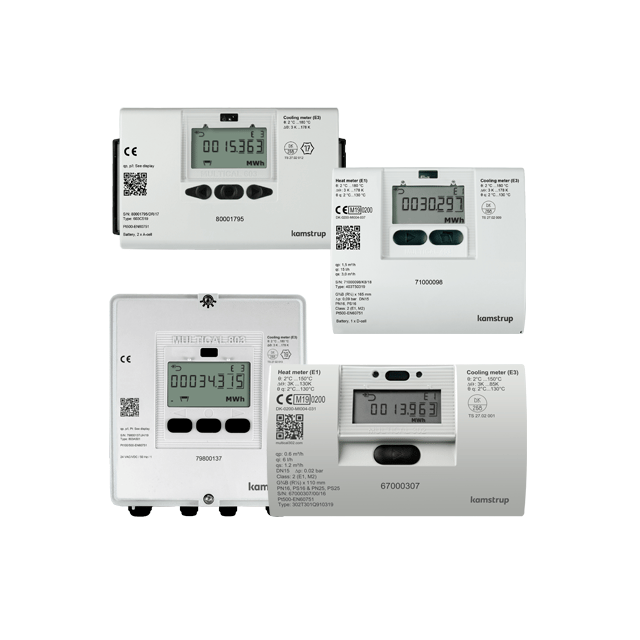
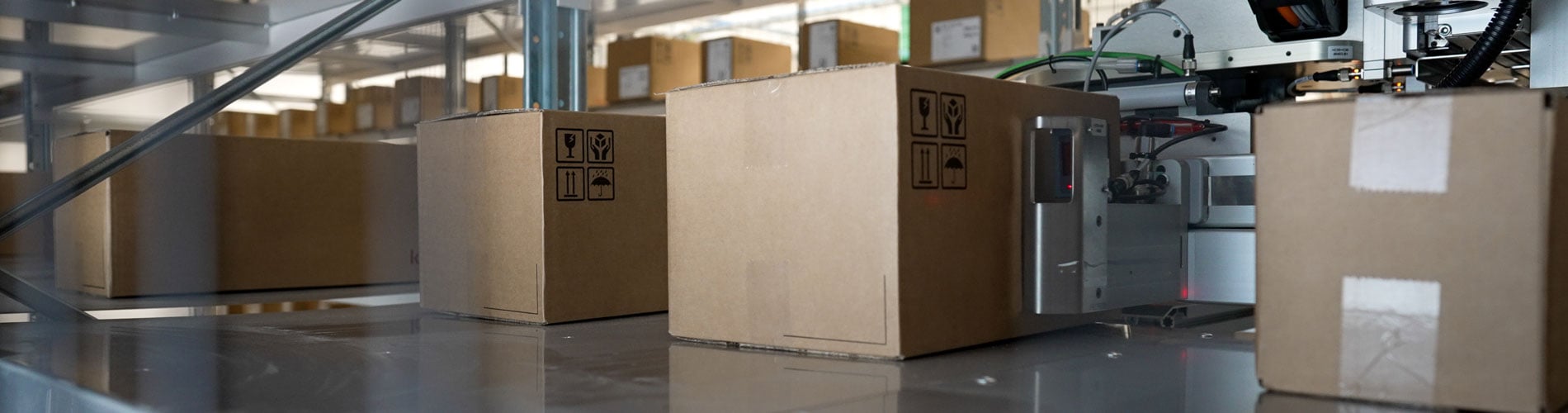
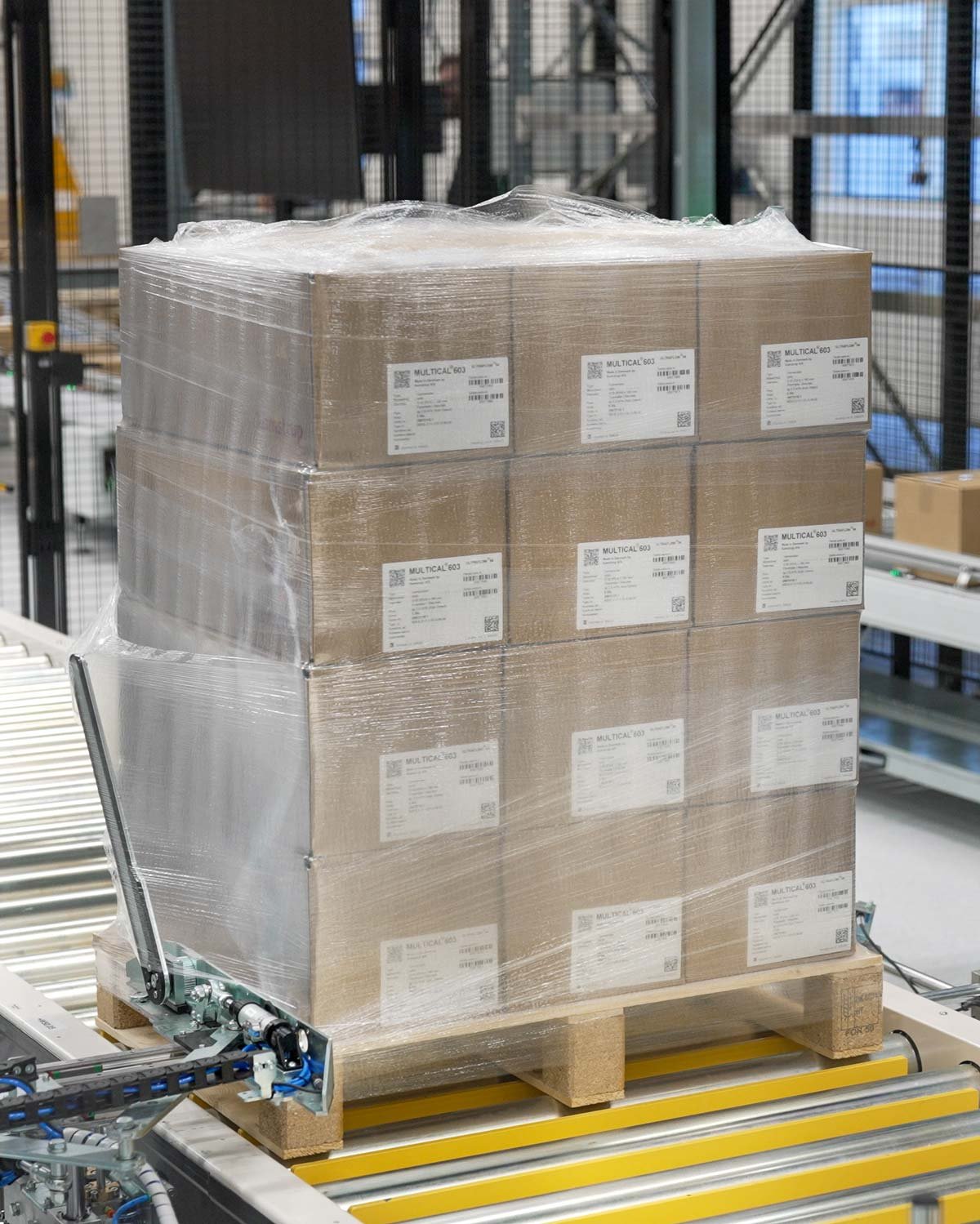
From 1 November 2026, heat and cooling meters will be shipped in a new packaging solution that replaces large cardboard pallet boxes with foil-wrapped pallets. The investment reflects our long-term commitment to improving how we serve our customers while using resources more responsibly.
What you can expect
Reduced packaging waste
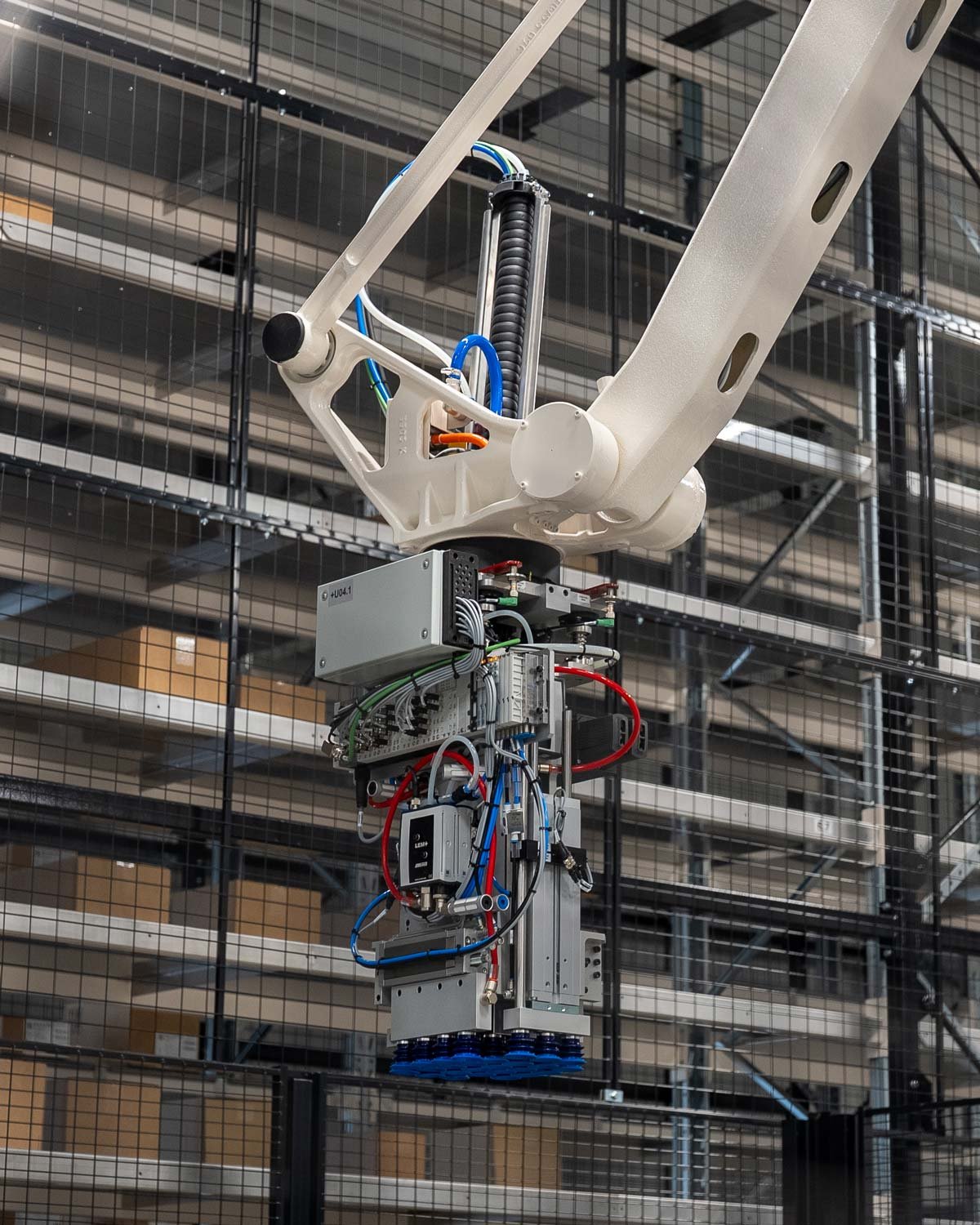
More efficient product preparation
Better resource utilisation
Reduced packaging waste
More than a packaging change
Packaging is often viewed as the final step before a product leaves the factory. In reality, it influences much more than that, from material use and pallet configuration to product handling and the packaging process itself.
When reviewing our existing setup, we identified opportunities to use resources more efficiently, create greater flexibility and simplify the way heat and cooling products are prepared for shipment.
That led to a redesigned packaging concept. The move from large cardboard pallet boxes to wrapped pallets is the most visible change, but the thinking behind it goes much deeper than simply replacing one material with another.
A packaging concept designed around resources
At first glance, moving from cardboard packaging to stretch film may seem like an unexpected choice.
However, the redesign focuses on the overall packaging system rather than individual materials.
The stretch film used in the solution is made from recyclable material, while the redesigned packaging concept significantly reduces the amount of packaging required around each shipment.
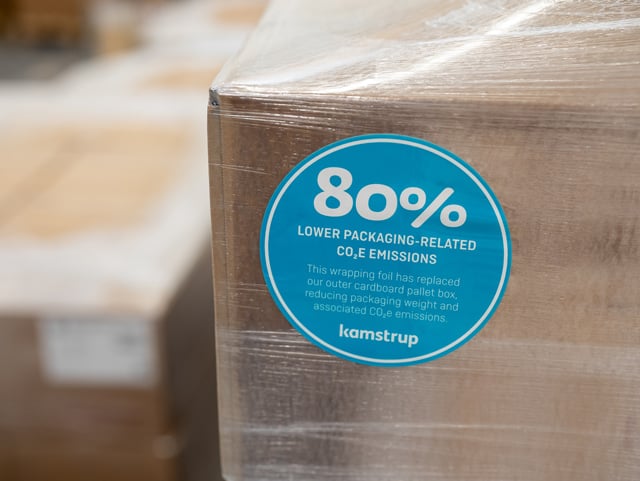
With the previous setup, large cardboard pallet boxes were often removed and disposed of shortly after delivery. The new packaging concept reduces the need for these materials while maintaining product protection and pallet stability.
By replacing the outer cardboard pallet box with wrapping foil, the new packaging concept reduces packaging weight and results in 80% lower packaging-related CO₂e emissions.
Greater flexibility throughout the packaging process
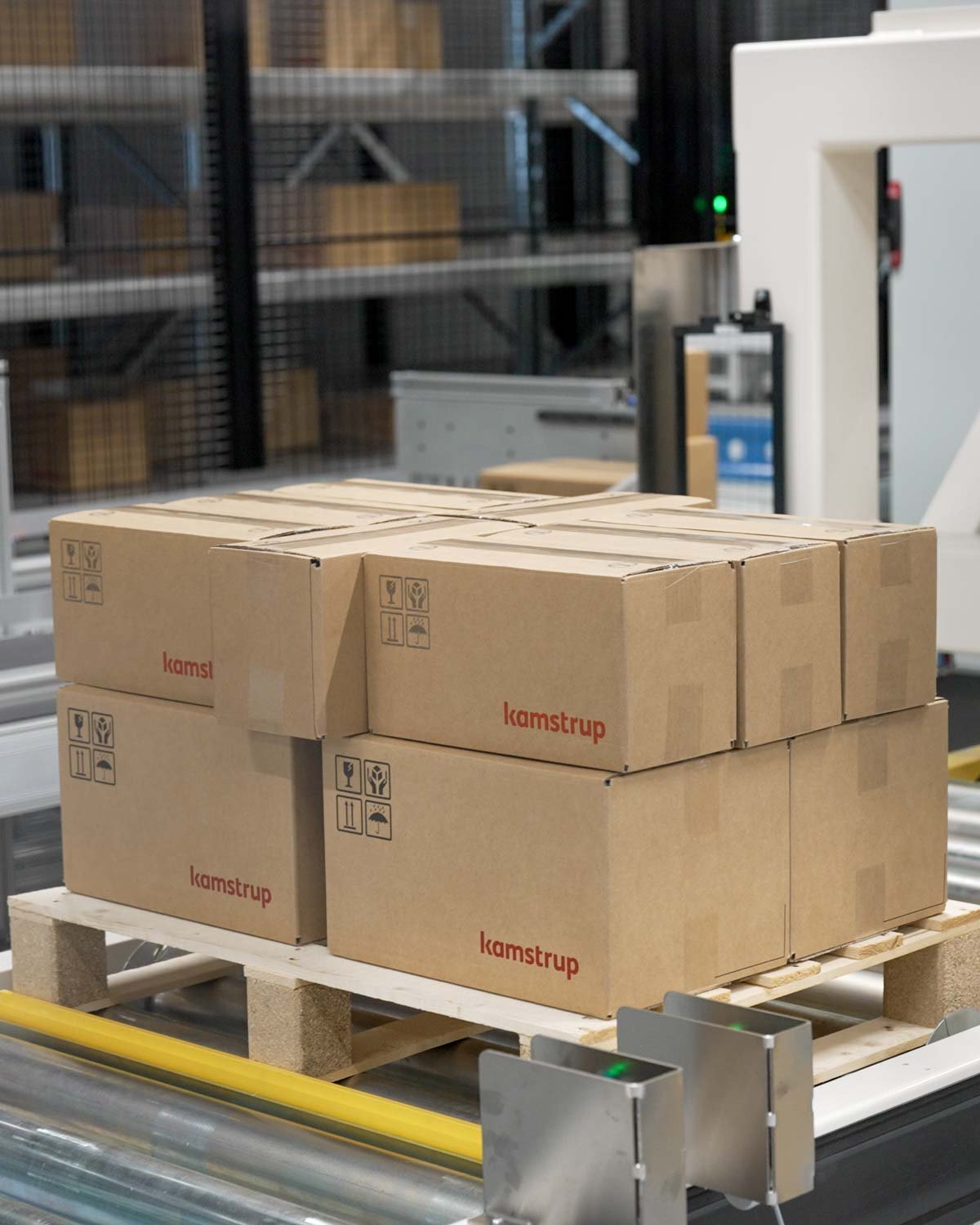
With the previous packaging concept, there were limits to how pallets could be built. The new setup gives us greater flexibility while maintaining stability and product protection.
And with greater flexibility come new opportunities to keep improving.
”
FAQ
Will pallet dimensions change?
The new packaging concept provides greater flexibility in how pallets are built, which means pallet heights may vary compared with the previous solution. During the initial implementation period, we will continue to optimise pallet configurations based on shipment requirements while maintaining product stability and protection.
When does the new packaging concept take effect?
The new heat and cooling packaging concept will be implemented from 1 November 2026.
Are the products changing?
No. Product functionality, quality and performance remain unchanged.
Are delivery terms changing?
No changes are planned to delivery terms.
Why move from cardboard to stretch film?
The objective is not simply to substitute one material for another. The new packaging concept reduces the overall amount of packaging required while creating opportunities for improved resource utilisation and operational efficiency.
What environmental impact is expected?
Replacing the outer cardboard pallet box with wrapping foil reduces packaging weight and results in 80% lower packaging-related CO₂e emissions.
Continuous improvement in practice
At Kamstrup, many improvements happen away from the products themselves.
They are found in the processes, workflows and operational decisions that support the products throughout their lifecycle.
The new heat and cooling packaging concept is one example of how continuous improvement can strengthen operations, reduce unnecessary resource consumption and create value beyond the product itself.
Because in the end, it's about making every resource matter.
You might also be interested in...
Bulk packaging
Quality without compromise