


Understanding an AMI System’s True Fortitude
As climate uncertainty and cybersecurity threats escalate, the utility industry is bracing for a future it can’t fully control. Over the past year alone, we’ve seen catastrophic events that exposed the vulnerabilities of water systems across the country. Talking Under Water Podcast host and VP of EB2B’s Water Group Bob Crossen spoke with Blake Michal, Manager of Solution Management at Kamstrup North America, about the difference between reliability and resilience, and learn why utilities must prioritize one over the over.
Q&A Transcript
Bob Crossen: I’m here with Blake. We’re going to be talking about reliability and resilience in water systems. Blake, thanks so much for being here. We really appreciate you taking the time to chat with us about these topics because we know that there are a lot of utilities out there facing these issues all across the country.
Blake Michal: Yeah, of course, Bob. Thank you for having us today.
BC: I think when we think about this idea, there are quite a number of risks. You have climate change, infrastructure failures, cybersecurity, which is becoming a big thing everyone is paying more attention to. With this growing number of risks, how do you feel utilities need to begin to prepare?
BM: It starts by assuming disruptions are inevitable. Things will happen, whether extreme weather, cyber threats, supply chain breakdowns, or other issues. Preparation means designing systems that handle everyday operations reliably and also having flexibility to recover when conditions go wrong. It’s less about predicting the exact event and more about building operational strength to withstand unforeseen things.
BC: Could we talk about the problem? I mentioned climate change, infrastructure failure, cybersecurity. When we define the problem and the failure points, how do you approach that conversation? Talking to you before this, we discussed graceful failure versus flawless performance. Can you talk about that?
BM: There are two different mindsets. Flawless performance is reliability — under normal conditions, everything goes perfectly without hiccups. Graceful failure focuses on resilience — redundancy, backup of databases, and the last line of defense. Being flawless in performance means providing everything on time without issues, so resilience doesn’t become your only focus at the end.
BC: It’s almost like the Boy Scouts’ motto, always be prepared. That’s kind of like this graceful failure mentality.
BM: Exactly. Instead of only preparing for the worst, it’s better to design systems that are reliable day in and day out. Both play a role, but reliability gives you a better foundation.
BC: Because your worst cause — like preparing for a 100-year or 500-year flood — they’re rare, although intensity is worsening. You mentioned reliability and resilience, and sometimes they’re used interchangeably. Do you see them as different?
BM: Yes, I see pretty defined boundaries. Reliability is about consistency in daily operations — does the system work as promised every day? Resilience is what happens when conditions aren’t normal. When a flood, fire, or cyber event takes out part of the system, can you recover quickly and keep serving customers? They are related but solve different problems.
BC: So reliability is handling daily operations, and resilience is handling rare events. Why should reliability come first in planning?
BM: If your system can’t reliably handle daily operations, what are the odds it can respond to an emergency?
Reliability is the foundation. Without it, resilience is like putting storm shutters on a house with crumbling walls.
BC: What does reliability look like in a modern water system? Things have changed dramatically, especially with more data and monitoring.
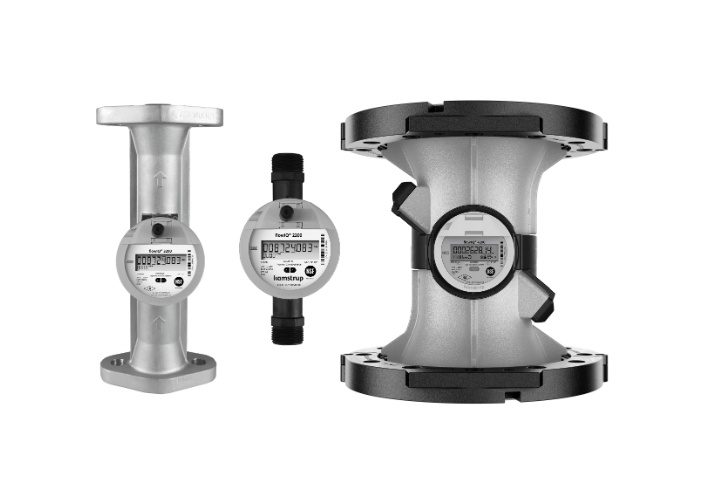
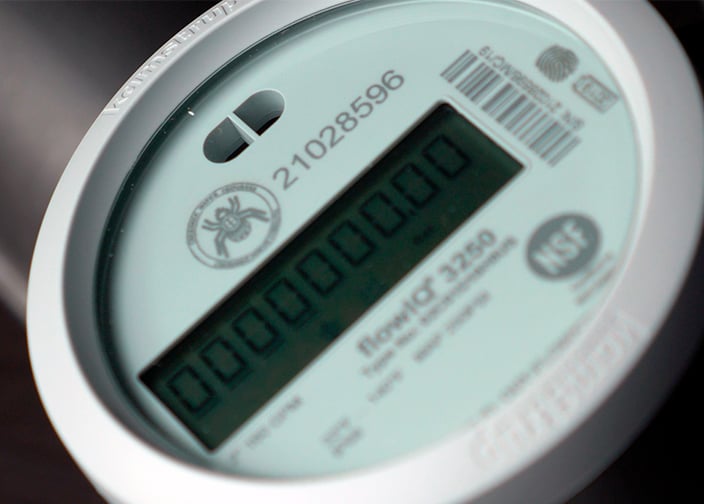
BM: Reliability means long-lasting ultrasonic meters that don’t wear out and degrade accuracy, backed with lifetime warranties. It’s also about communication networks with high uptime and low cost of ownership — systems with low failure rates year over year. You want proven performance demonstrated by customer references, not just statistics in a brochure.
BC: That’s the reliability side. What about resilience? What does that look like during an event?
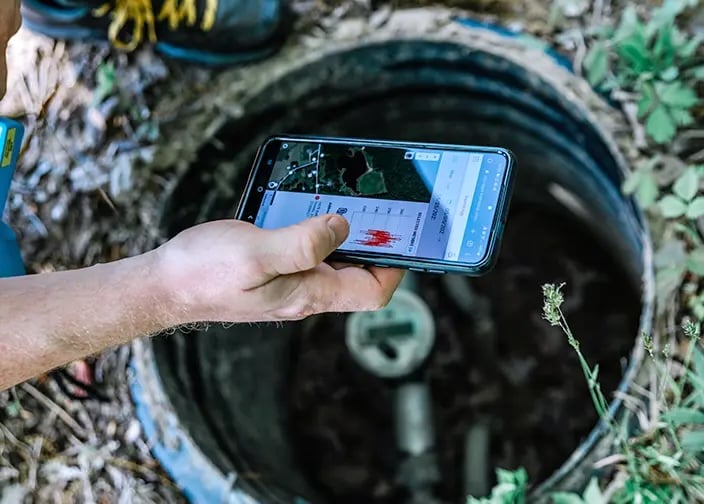
BM: Resilience is the ability to get back up when something unexpected happens. For example, if a collector is torn down by a hurricane, you can switch from AMI reporting to drive-by mode to keep collecting readings. Or with embedded acoustic detection, you can spot leaks before they escalate. It’s about staying visible and responsive even when primary systems are compromised.
BC: Can you give real-world examples where utilities benefited from reliability and resilience during disasters?
BM: Yes, during a recent hurricane in the Southeast, a customer was still able to read meters in drive-by mode. They didn’t lose visibility to customer usage and could prioritize emergency response for users with catastrophic failures. It illustrates how reliability paired with resilience gives continuity even under pressure.
BC: We’ve also heard about Kamstrup’s mentality of failure-free performance. How critical is that to the products you produce? What does that mean in practice?
BM: It’s about zero tolerance for design flaws. In our production facilities, every component goes through iterative testing and refinement. When failures occur, we perform root cause analysis, fix design flaws, and cut down future failures. In practice, this shows up in our less than a quarter percent return rate in North America. That demonstrates the reliability of our systems, even though resiliency is also built into the solution.
BC: If a utility leader wants to future-proof their operations and improve reliability and resilience, where should they start?
BM: Start by asking tough questions about reliability. Ask for real uptime metrics and real failure rates. Talk to actual customer references. Don’t just trust the sales pitch. Talk to peers in other utilities using the systems and get honest feedback. Build reliability first, then layer on resilience features. Once you have reliable and accurate data, you can build a strong system foundation.
BC: We’ve talked about a lot today, but what’s the main message you want people to take away about system performance, reliability, and resilience?
BM: The mentality that you don’t have to choose between everyday excellence and disaster readiness. Reliability is the baseline. Resilience is the safety net. Invest in both, and you can deliver clean, affordable, dependable water no matter what comes your way. Your customers deserve nothing less.
BC: Awesome. Blake, thanks so much for chatting with us. This is a critical topic, especially with hurricane season and recent events in Texas. We appreciate your time and the timeliness of this conversation.
BM: Appreciate it, Bob. Thanks for having me.