Beyond Smart Meters: Engineering a 20-Year Total Loss Solution
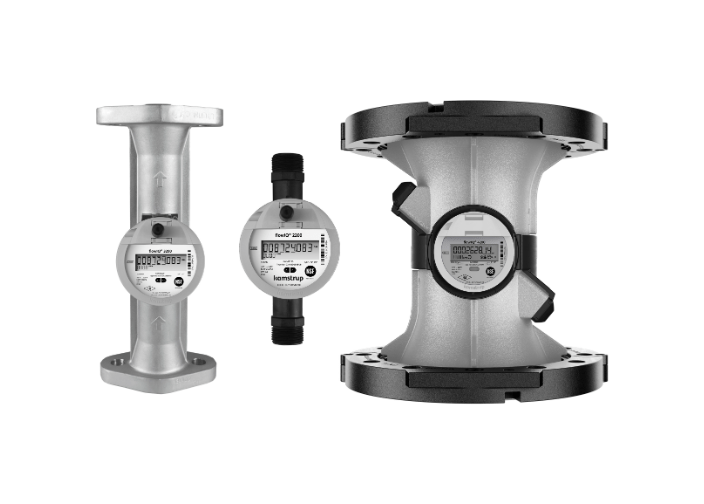
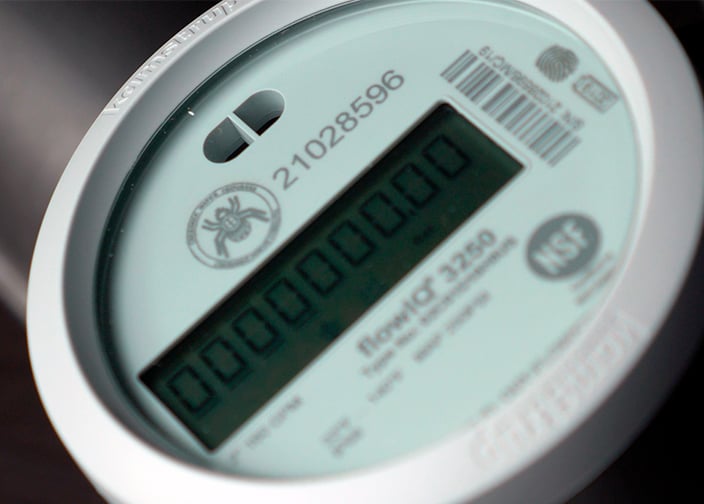
Non-revenue water (NRW), especially leakage, causes significant financial and operational losses for water utilities worldwide, with 51% of NRW resulting from leaks in distribution systems. While traditional smart water meters are innovative for billing and customer transparency, they often fall short in preventing water loss due to limitations in battery life and sensor capabilities. Kamstrup’s Acoustic Leak Detection (ALD) technology, integrated into every flowIQ® 2200 and 3200 meter (2” and below), offers a groundbreaking solution.
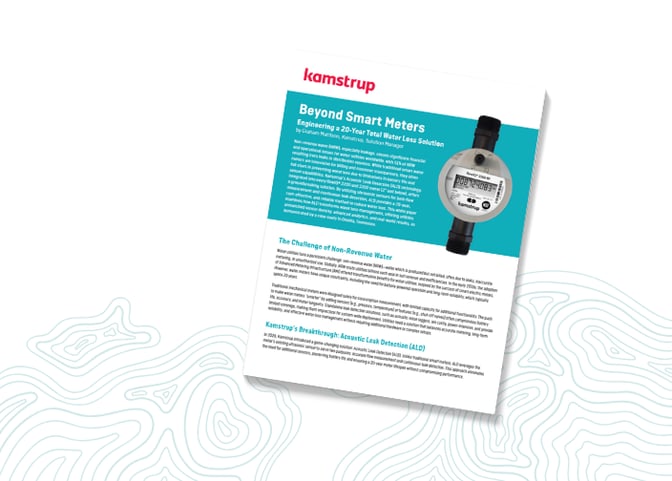
By utilizing ultrasonic sensors for both flow measurement and continuous leak detection, ALD provides a 20-year, cost-effective, and reliable method to reduce water loss. This white paper examines how ALD transforms water loss management, offering utilities unmatched sensor density, advanced analytics, and real-world results, as demonstrated by a case study in Oneida, Tennessee.
The Challenge of Non-Revenue Water
Water utilities face a persistent challenge: non-revenue water (NRW)—water which is produced but not billed, often due to leaks, inaccurate metering, or unauthorized use. Globally, NRW costs utilities billions each year in lost revenue and inefficiencies. In the early 2010s, the adoption of Advanced Metering Infrastructure (AMI) offered transformative benefits for water utilities, inspired by the success of smart electric meters. However, water meters have unique constraints, including the need for battery-powered operation and long-term reliability, which typically spans 20 years.
Traditional mechanical meters were designed solely for consumption measurement, with limited capacity for additional functionality. The push to make water meters “smarter” by adding sensors (e.g., pressure, temperature) or features (e.g., shut-off valves) often compromises battery life, accuracy, and meter longevity. Standalone leak detection solutions, such as acoustic noise loggers, are costly, power-intensive, and provide limited coverage, making them impractical for system-wide deployment. Utilities need a solution that balances accurate metering, long-term reliability, and effective water loss management without requiring additional hardware or complex setups.
Kamstrup's Breakthrough: Acoustic Leak Detection (ALD)
In 2020, Kamstrup introduced a game-changing solution: Acoustic Leak Detection (ALD). Unlike traditional smart meters, ALD leverages the meter’s existing ultrasonic sensor to serve two purposes: accurate flow measurement and continuous leak detection. This approach eliminates the need for additional sensors, preserving battery life and ensuring a 20-year meter lifespan without compromising performance.
How ALD Works
ALD utilizes an ultrasonic sensor to measure water flow, enabling the detection of acoustic signals (e.g., the “hiss” or “whoosh” of a leak) generated by leaks in the distribution system. Unlike standalone acoustic loggers that take brief nightly samples, ALD monitors noise levels 26 times daily, establishing a baseline “noise floor.” When elevated noise persists, the meter flags a potential leak, minimizing false positives even in noisy environments. Key features include:
Continuous Monitoring:
Twenty six daily samples provide 24/7 leak detection, enabling early identification and reducing water loss.
High Sensor Density:
With meters spaced 50-100 feet apart, ALD offers 10x the sensor coverage per mile compared to traditional loggers, eliminating the need for remote audio correlation.
Advanced Analytics:
Persistent noise is flagged via a baseline noise floor, with detailed acoustic histories available for each meter.
User-Friendly Software:
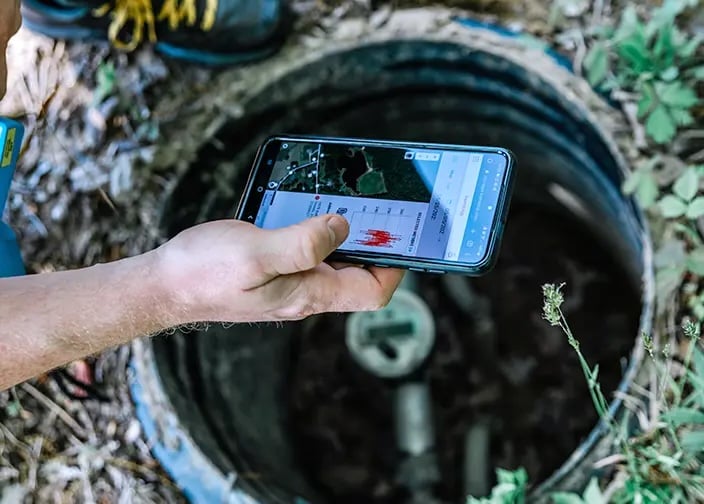
ALD data is displayed in intuitive software, mapping flagged meters and prioritizing inspections based on noise trends.
System Resilience:
ALD detects stress from events like hydrant flushing or construction, enabling proactive maintenance before catastrophic failures occur.
Real-World Impact: Oneida Case Study
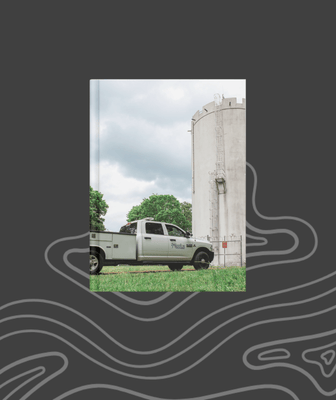
The effectiveness of ALD is best illustrated by its deployment in Oneida, Tennessee, a utility facing a 51% water loss rate in 2019. Producing 400 million gallons annually, Oneida was losing over 200 million gallons to leaks, costing $186,000 in lost revenue and requiring the treatment plant to operate up to 16 hours daily.
IMPLEMENTATION
Oneida replaced 4,620 mechanical meters with Kamstrup ALD-equipped flowIQ® meters across its 118-square-mile service area. Upon activation, 77 meters immediately flagged potential leaks, many of which were previously obscured by inaccurate consumption data.
RESULTS
Immediate Impact: Within three months, water loss dropped to 28%, with 10.7% of the reduction attributed to improved metering accuracy and the remainder to leak repairs guided by ALD data.
Leak Recovery: Over 70 active leaks were identified and repaired, including a service line leak 50 feet from a meter that had gone undetected for at least 135 days, resulting in a loss of 777,000 gallons and an annual cost of $21,000.
Long-Term Gains: By 2025, Oneida’s water loss had been reduced to 15%, resulting in annual savings of $140,000 and a daily reduction in treatment plant operation of 3–4 hours. Utility staff gained 36 working days annually for system improvements.
ALD delivers rapid, measurable results. What makes this solution so brilliant is that it simplifies and supercharges water loss management without requiring additional infrastructure.
Other utilities across the U.S. are seeing similar results. In Oregon, ALD identified a 180 GPM leak in a 6” AC main line and later detected a second minor leak at the same location. In Good Thunder, Minnesota, ALD meters in drive-by mode detected a non-surfacing leak draining into a sewer line. This allowed a timely repair before the ground froze, cutting repair costs by 30% and avoiding customer service interruptions.
Benefits of ALD for Utilities
Kamstrup's ALD technology offers utilities a comprehensive, long-term solution for managing non-revenue water. Key benefits include:
Cost-Effective Deployment: Integrated into every meter, ALD requires no additional hardware, thereby reducing capital and maintenance costs. | System Resilience: ALD supports proactive maintenance by detecting system stress from events such as hydrant flushing or construction, thereby preventing costly failures. |
Enhanced Leak Detection: Continuous monitoring and high sensor density enable early leak detection, particularly at service connections where 50% of distribution leaks occur. | Sustainability: By reducing water loss, ALD lowers energy consumption for water treatment and distribution, thereby supporting environmental goals. |
Operational Efficiency: User-friendly software and detailed noise histories streamline inspections, enabling crews to pinpoint leaks using ground microphones, thereby saving time and resources. | 20-Year Reliability: ALD ensures the meter's 20-year battery life and accuracy, guarenteeing long-term performance without compromise. |
Conclusion
Kamstrup’s ALD technology redefines water loss management by integrating continuous leak detection into the meter. Unlike traditional smart meters or standalone solutions, ALD delivers unmatched sensor coverage, advanced analytics, and real-world results without compromising battery life or accuracy. The Oneida, Tennessee, case study highlights ALD’s transformative potential, reducing water loss from 51% to 15% and resulting in significant cost savings. For utilities seeking a reliable, cost-effective, and sustainable solution to non-revenue water, Kamstrup’s ALD technology sets a new standard, engineering a 20-year total water loss solution.